Scania smart dash

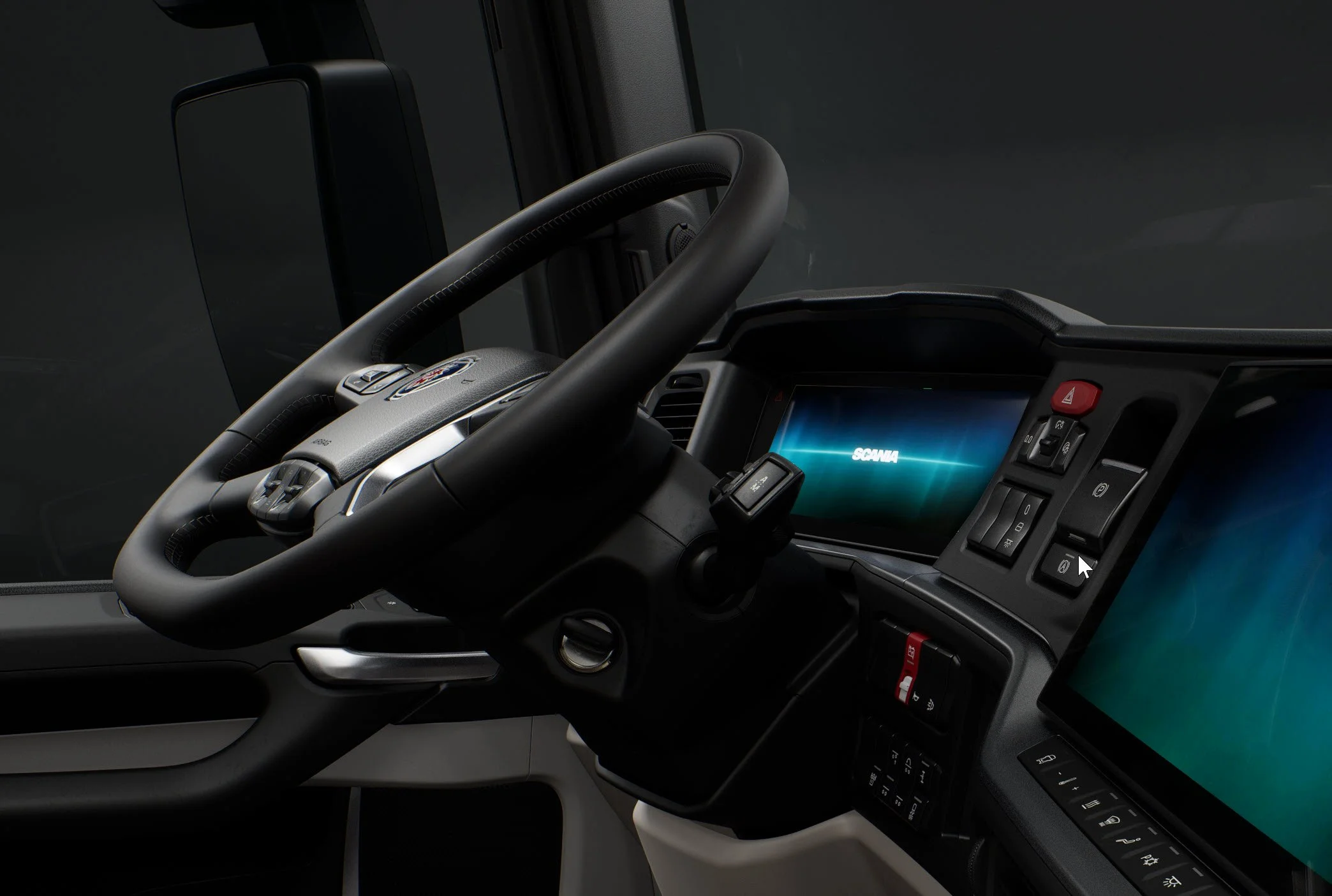
Smart Dash is Scania’s digital dashboard platform for trucks, encompassing multiple in‑vehicle displays and interactive touchpoints in the driver environment. The goal of the project is to deliver a safe, intuitive, and consistent user experience that supports drivers in both everyday driving and critical situations.
Link to project website
Parts of this project is under NDA agreement.
Team
+20 UX/UI Designers
Role
UX and Interaction Designer
Client
Scania Group
Year
May 2024 - May 2025
My role
In the Smart Dash project, I worked as a UX Designer with a primary focus on the Driver Display framework and light behavior for screens and physical buttons. I also planned and conducted user testing in real‑world driving contexts. My role covered the full design lifecycle, from early design exploration to quality assurance and validation of implemented solutions.
I collaborated closely with developers, system engineers, product owners, and other designers in a cross‑functional, agile team to ensure that design solutions were user‑centered, consistent, and technically feasible.
Responsibilities
Designed user experiences for vehicle light behavior, including digital displays and physical buttons
Ensured clarity, readability, and consistency across different lighting conditions and driving scenarios
Performed quality assurance and bug verification of implemented designs
Supported cross‑functional collaboration and aligned with stakeholders on design goals
Planned, conducted, and analyzed user tests to collect insights from end users
Process & methods
I worked with a user‑centered and iterative design approach throughout the project, continuously validating design decisions as the solution evolved. The process combined design exploration, hands‑on UI work, and close collaboration with cross‑functional team members in an agile setup. Early concepts were explored and refined through ongoing discussions with stakeholders, ensuring alignment between user needs, design intent, and technical constraints.
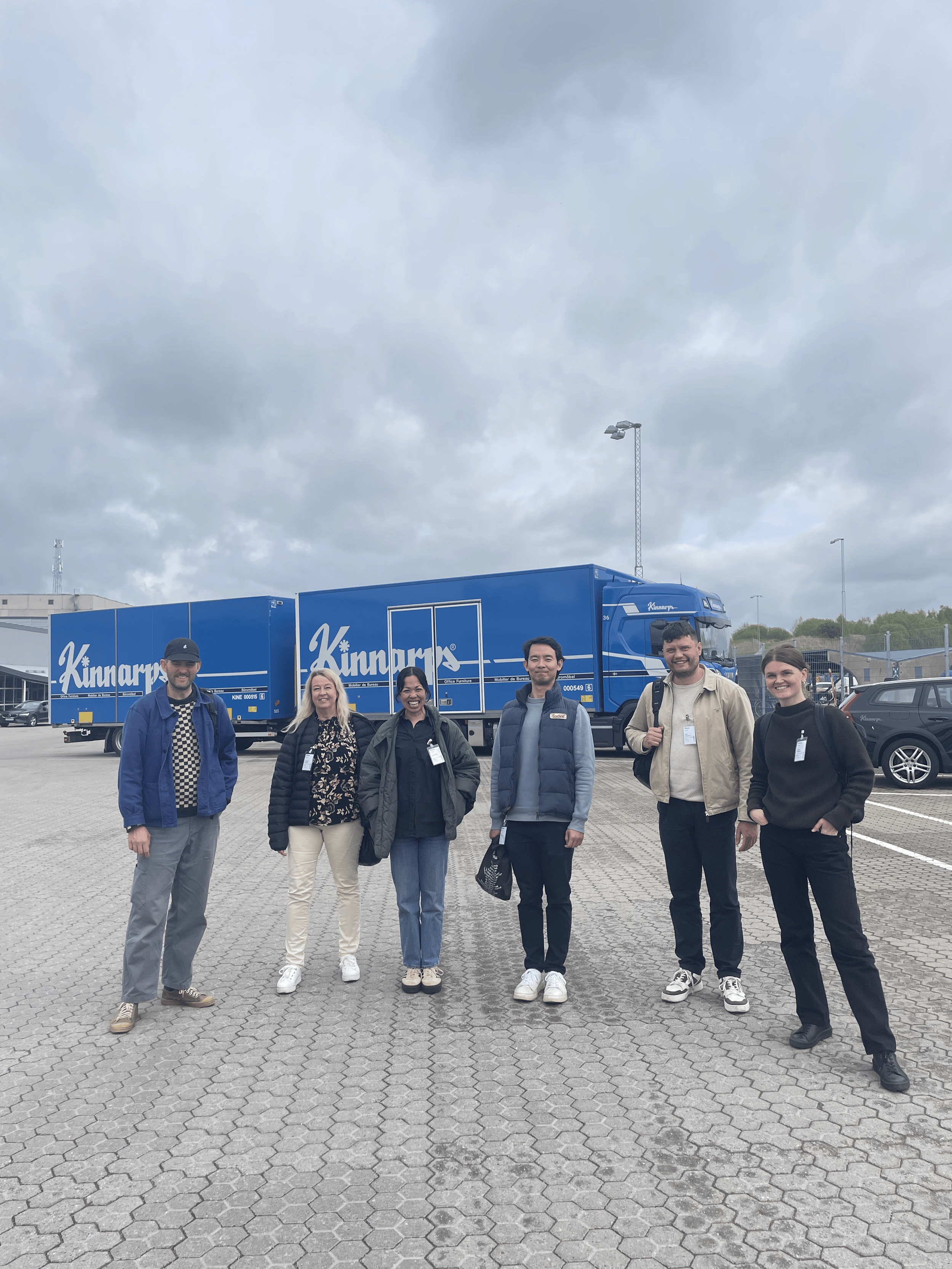
User research and testing played a central role in the process. I planned and conducted qualitative interviews and usability tests with professional truck drivers, frequently testing designs directly in real truck environments. These sessions provided valuable insights into real‑world use conditions and informed iterative improvements to interaction patterns, visual hierarchy, and light behavior.
Alongside design work, I was responsible for quality assurance and bug verification, validating implemented solutions against design specifications and user expectations. Insights from testing and verification were synthesized into clear findings and presented to stakeholders through presentations and design reviews, supporting informed decision‑making and continuous improvement throughout the development cycle.
Insights
A central part of my work involved conducting user testing in real truck environments, where lighting conditions, distractions, and cognitive load strongly affected usability. Testing with professional drivers provided valuable insights into how color, contrast, hierarchy, and visual feedback influenced quick interpretation of information while driving.
These insights informed design decisions and helped refine light behavior and interaction patterns to better support driver safety and confidence.
value & impact
My work contributed to:
A more predictable and safer driver experience
Clearer information hierarchy in time‑critical situations
Stronger alignment between digital interfaces and physical controls
Design decisions grounded in real user behavior and validated through testing
This project strengthened my experience in designing for complex, safety‑critical systems and working at the intersection of UX, technology, and real‑world use contexts.